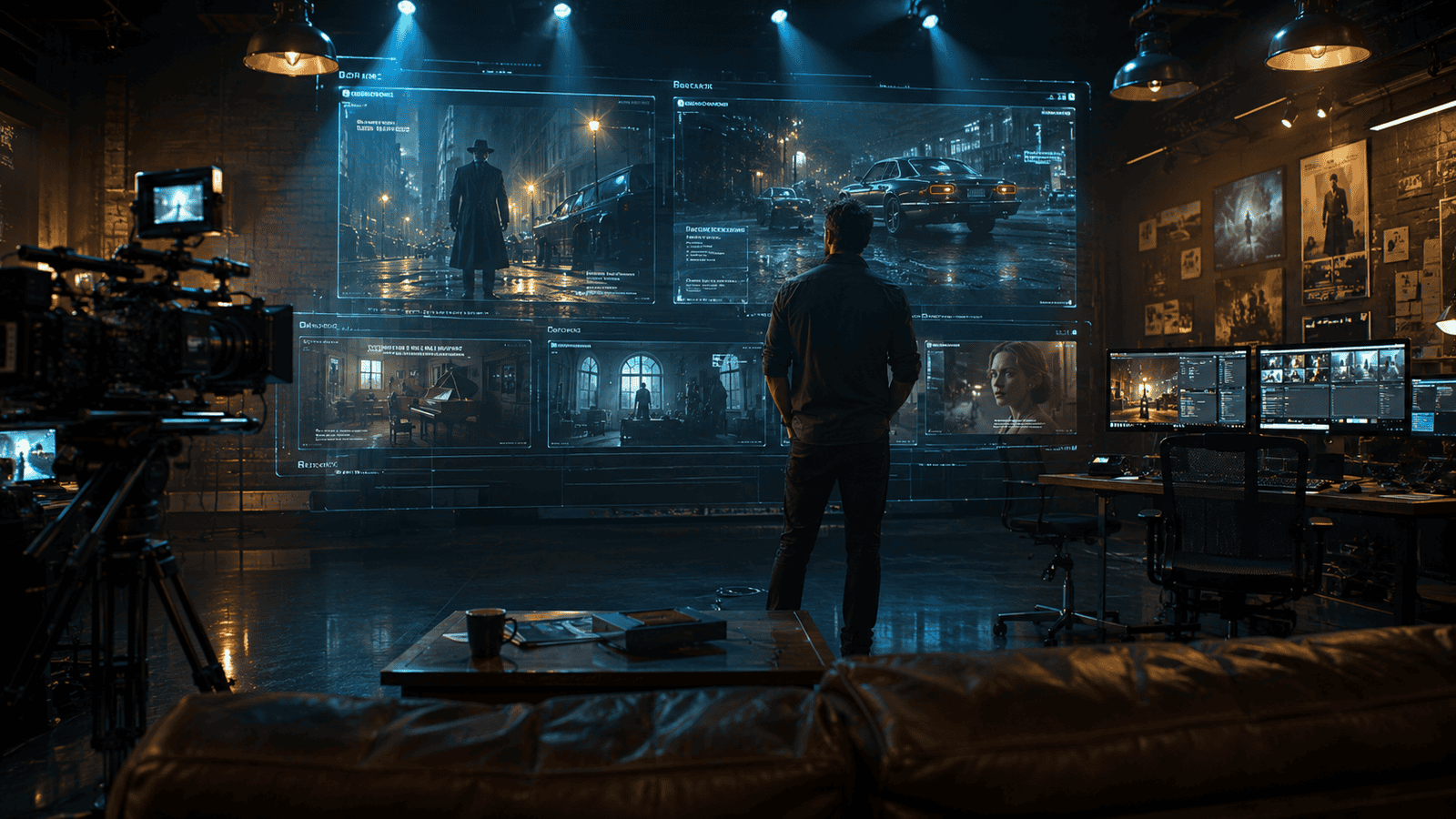
AI Video Production Guide
The Complete Guide to AI Video Production in 2026
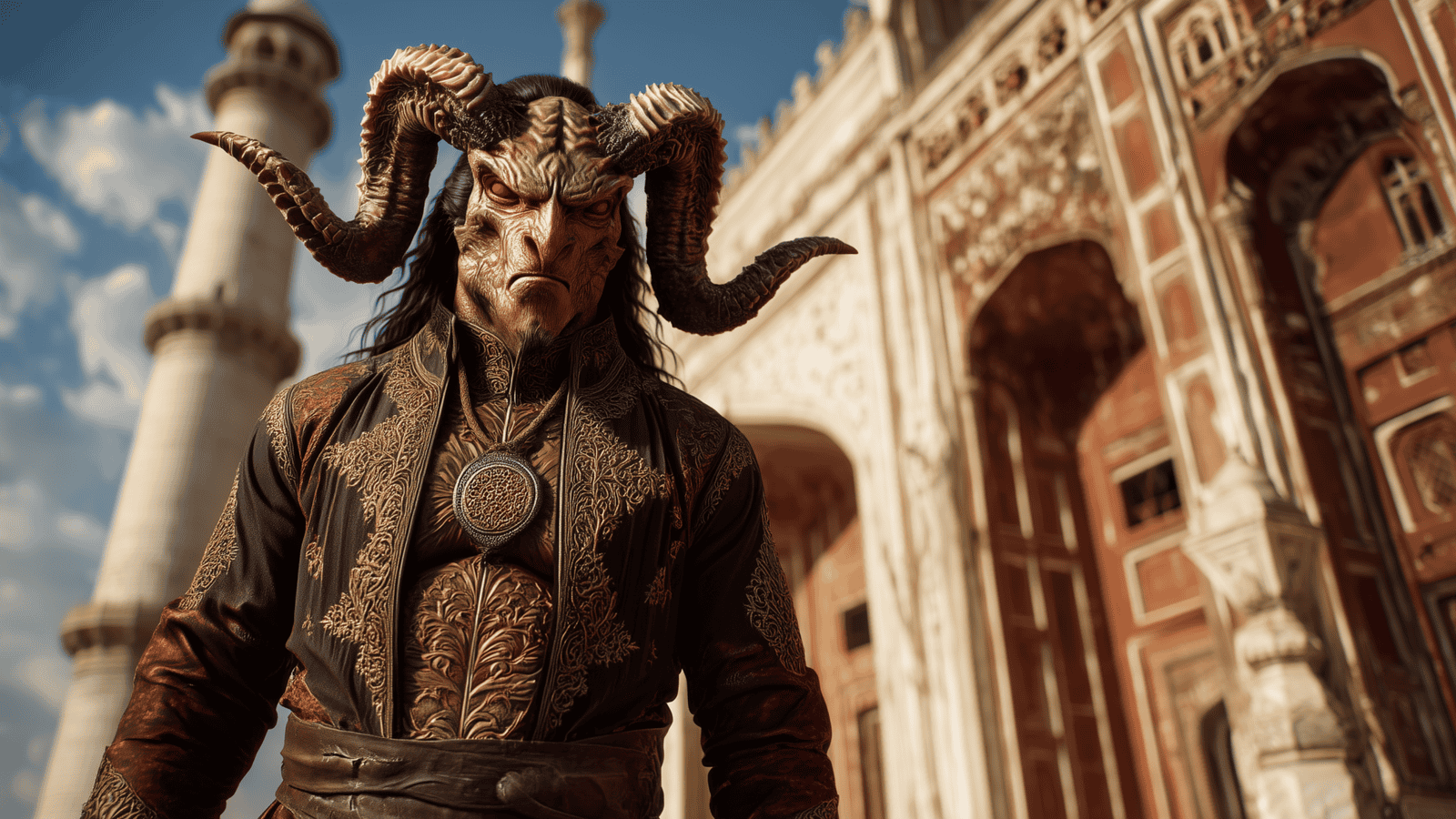
AI video production has officially crossed the threshold from experimental novelty to mainstream creative powerhouse. In 2026, leading brands across the USA, Canada, Europe, and the Middle East are replacing traditional film crews with cinematic AI pipelines — and the results are stunning. From luxury car commercials streaming on Netflix to viral product launches generating millions of views, AI video is no longer the future. It is the present.
Updated September 2026
The tool landscape described in this guide has moved on since spring. Seedance 2.5 (global launch July 31, 30-second one-shot generations) and Hailuo 3.0 (2K/24fps) have joined Veo 3.1, Runway and Kling 3.0 Turbo in most professional pipelines, while Google’s consumer default is now Gemini Omni Flash. OpenAI has discontinued Sora 2 — the app closed in April and the API sunsets on September 24, 2026 — so references to Sora in older workflows should be read as historical. The production workflow, cost logic and studio-selection advice below still apply.
At H3 AI Films, we specialize in producing premium cinematic AI videos for global brands, agencies, and creators. In this guide, we break down everything you need to know about modern AI video production — the tools, the workflows, the costs, and how to choose the right AI video production company for your next campaign.
What Is AI Video Production?
AI video production is the process of creating professional video content using artificial intelligence models such as Google Veo, Runway, Kling, Pika, and Midjourney, combined with traditional creative direction, storytelling, and post-production craftsmanship.
Unlike basic AI video generators that simply output short clips from text prompts, a full AI video production studio handles every stage of the pipeline:
- Creative concept and scripting tailored to your brand
- Storyboarding and shot planning using AI pre-visualization
- Cinematic generation through advanced AI models
- Sound design, music, and voiceover integration
- Color grading, editing, and final delivery in broadcast-ready formats
The result is a finished, on-brand video that looks like it was shot with a full Hollywood crew — delivered in days instead of weeks, at a fraction of traditional production costs. To see the kind of results possible, explore our selected portfolio of cinematic AI projects.
Why Brands Are Switching to AI Video in 2026
The shift is not just hype. Real numbers are driving it. According to industry projections, the AI video market is on track to exceed $156 billion by 2034. Here is why forward-thinking brands are making the switch right now.
1. Cinematic Quality at a Fraction of the Cost
A traditional 30-second commercial can cost anywhere from $50,000 to $500,000 once you factor in actors, locations, equipment, crew, and post-production. The same cinematic-quality commercial produced through a professional AI video pipeline can be delivered for a small fraction of that budget — without sacrificing visual impact.
2. Speed That Matches Marketing Demands
Modern marketing teams need content yesterday. Where traditional production takes four to twelve weeks, AI video production delivers polished commercials, product launches, and social campaigns in just one to two weeks. This speed is changing how brands plan campaigns.
3. Creative Freedom Without Physical Limits
AI video removes every physical constraint that limited storytelling for the past century. You can shoot inside an erupting volcano, in deep space, in 1920s Paris, or in a dreamlike fantasy world — all in the same campaign. No travel costs. No insurance nightmares. No weather delays. Just pure creative imagination rendered into cinematic reality.
4. Personalization at Scale
One of the biggest advantages of AI video is the ability to produce hundreds of customized variations for different audiences, languages, and platforms — something that was financially impossible with traditional production.
The Top AI Video Tools Powering Cinematic Production in 2026
The AI video landscape evolved dramatically in 2025 and 2026. At H3 AI Films, we work with a layered pipeline of best-in-class tools, each chosen for what it does best. Here is an honest breakdown of the leading models and where each shines.
Google Veo 3.1 — The All-Rounder Champion
Veo 3.1 is widely considered the strongest all-rounder in the market today. It leads in prompt adherence, native audio generation, and true 4K output in both landscape and portrait formats. This makes it our first choice for narrative scenes, establishing shots, and commercial work where dialogue and ambient sound need to feel completely natural.
Kling 3.0 — Cinematic Quality at the Best Value
Developed by Kuaishou, Kling 3.0 matches Veo on cinematic lighting and complex motion (hair, liquids, fabric, fire) while costing roughly 40 to 65 percent less per second. Its multi-shot storyboard mode with native audio sync across cuts makes it ideal for high-volume social media production and music videos that demand a strong visual aesthetic.
Runway Gen-4.5 — The Professional Control Standard
Runway remains the favorite of working professionals when you need granular creative control. Its camera moves, motion brush, and reference-driven character consistency are unmatched. Runway Gen-4.5 currently ranks number one on the Video Arena leaderboard for a reason — it is the studio workhorse for image-to-video workflows.
Pika and Luma Dream Machine — Speed and Style
For rapid iteration, stylized aesthetics, and quick social-ready content, Pika and Luma fill specific gaps in the pipeline. They are particularly strong for mood-driven, atmospheric work where personality matters more than strict production controls.
The Sora Situation
OpenAI shut down the Sora consumer web and app experiences in April 2026, with the API set to follow later in the year. This is a critical reason to work with an established AI video production company rather than relying on a single tool — the landscape changes fast, and a professional studio adapts to whichever model produces the best result for your specific brief.
What Separates a Professional AI Video Agency from a DIY Tool
This is the question every brand asks before hiring an AI video production company. The honest answer is this: anyone can subscribe to Runway or Kling for $30 a month and generate clips. What separates a real studio is everything that surrounds the generation.
- Brand strategy and creative direction that turns a prompt into a story
- Multi-tool pipelines that combine the strengths of different AI models in one project
- Character and scene consistency across long-form videos and multi-shot sequences
- Professional editing, color grading, and sound design that platforms cannot produce automatically
- Revision cycles, rights management, and quality assurance that protect your brand
- Channel-ready delivery for YouTube, Instagram Reels, TikTok, broadcast, and DOOH
In short: a platform generates clips. A studio delivers finished, on-brand videos that drive results. See our complete range of AI video production services for a deeper breakdown of what we deliver.
What Does AI Video Production Cost in 2026?
Pricing varies dramatically based on the level of customization, length, and creative complexity. Here is a transparent breakdown of what brands are actually paying in 2026.
- Freelancer level: $50 to $100 per minute of basic AI video using stock avatars and minimal customization
- Mid-tier production: $300 to $1,500 for a polished 30 to 60 second branded video
- Premium agency level: $2,000 to $10,000+ per finished video for fully custom, cinematic, multi-shot productions with bespoke creative direction
- Enterprise campaigns: Custom pricing for ongoing video content programs with brand-trained AI models and dedicated creative teams
At H3 AI Films, we offer transparent packages designed for serious brands that want premium results without the bloat of a traditional agency. Every project is custom-quoted based on creative complexity, length, and delivery timeline. Request a custom quote to see what your project would cost.
The Types of AI Videos H3 AI Films Produces
Our work spans the full spectrum of brand video needs. The most in-demand categories in 2026 are:
- Cinematic brand commercials for product launches, automotive, fashion, and luxury
- AI music videos with synchronized visuals, multi-shot storytelling, and artist consistency
- AI short films and narrative content for festivals, brands, and platform distribution
- Social media content optimized for Instagram, TikTok, and YouTube Shorts
- Product demonstrations and explainer videos with hyper-realistic visualization
- AI avatar and spokesperson videos for global, multilingual campaigns
- Concept films and pitch reels for studios, agencies, and creative directors
For realtors and developers specifically, our dedicated real estate video production service turns listing photos, renders, and floor plans into cinematic property films.
How to Choose the Right AI Video Production Company
Before you hire any AI video agency, ask these critical questions.
- Do they work with multiple AI tools, or just one? A studio locked into a single platform cannot deliver the best result for every brief.
- Can they show real client work, not just tool demos? Demo reels can be cherry-picked. Real campaign work proves capability.
- Do they handle the full pipeline? Script, storyboard, generation, editing, sound design, and delivery should all be in-house.
- Is the pricing transparent? Premium AI video should be priced clearly, not hidden behind vague consultations.
- Do they understand your industry? A luxury brand and a SaaS company need very different visual languages.
Why International Brands Are Working with H3 AI Films
H3 AI Films is built for ambitious brands that want cinematic AI content without the inflated overhead of legacy production. We combine deep technical mastery of every major AI model with classical filmmaking craft — story, light, motion, and emotion. Learn more about our studio philosophy and process.
Our clients include brands and creators across the United States, Canada, the United Kingdom, Europe, the Middle East, and Australia. Every project is delivered remotely with full creative collaboration, clear timelines, and broadcast-ready files.
Ready to Produce Your Next Cinematic AI Video?
If you are a brand, agency, or creator looking to produce premium AI video content — whether a single commercial, a music video, a short film, or an ongoing content program — H3 AI Films is ready to bring your vision to life.
Start Your ProjectFrequently Asked Questions
How long does it take to produce an AI video?
Most cinematic AI videos at H3 AI Films are delivered in seven to fourteen days, depending on length, complexity, and revision cycles. Rush timelines are available for time-sensitive campaigns.
Can AI video match the quality of traditional film production?
For most commercial, social, and narrative use cases — yes. The latest models like Veo 3.1, Kling 3.0, and Runway Gen-4.5 produce cinematic-quality output that is indistinguishable from traditional production for many viewers. For projects requiring real human performances at extreme close-up scrutiny, a hybrid approach is sometimes ideal.
Do you work with international clients?
Yes. H3 AI Films works with brands and creators across the USA, Canada, UK, Europe, Australia, and the Middle East. All projects are managed remotely with clear communication and scheduled review cycles aligned to your time zone.
What information do you need to start a project?
A brief description of your brand, the goal of the video, your target audience, any reference visuals or moodboards, length and format requirements, and your timeline. From there, our team builds a complete creative proposal. Contact us to begin.
Who owns the final video?
You do. All commercial rights to your finished video are transferred to your brand upon final delivery and payment.
What AI video tools do you use?
We use a layered pipeline of best-in-class AI models including Google Veo 3.1, Kling 3.0, Runway Gen-4.5, Pika, Luma Dream Machine, and Midjourney. Each tool is chosen for the specific shot or scene based on what it does best.